

I still recollect the first time I pressed a casino demo game. I thought a watered-down variant of the real thing, maybe a few spins with fake coins that meant nothing. What I encountered instead was something far more functional. Demo games are not just glitzy previews. They are fully operational copies of the exact same slots you play for real money, running the same mathematics, return-to-player percentages, and random number generator sequences. The only difference is the currency. Grasping how these demos work transforms the way you tackle online casinos entirely, and I want to guide you through what actually takes place behind that brightly coloured play button.
When I discuss casino demo games, I refer to full, playable replicas of real-money slot machines, table games, and sometimes live dealer previews. These versions run on the very same servers and software architecture as their paid counterparts. The provider delivers the identical game client into your browser, but rather than drawing from a cash balance, it draws from a virtual token pool that refreshes when you reload the bleacherreport.com page. The random number generator remains in modes. Hit frequency, volatility profile, and bonus round probabilities are left untouched. That is important because you are actually testing the product you would later wager on, not some simplified simulation designed to make wins look easier than they truly are.
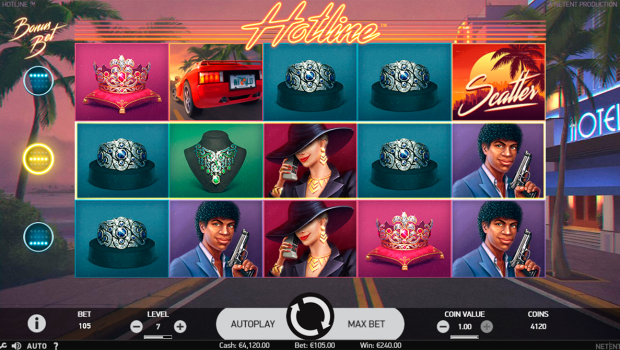
The practice started years ago, when software developers required a way to let casino operators inspect games before signing licensing deals. Those operator demos slowly found their way onto player-facing websites, and today almost every major studio, including NetEnt, Pragmatic Play, Evolution, and Play’n GO, offers demo versions as standard. You will find them in the game lobby right next to the real-money tiles, often marked with a small “Try” or “Demo” badge. No download required. The games stream directly through HTML5 browsers on desktop and mobile, just like the paid versions, preserving load speeds, soundtrack quality, and touch-screen responsiveness.
A casino’s demo lobby tells you nothing directly about its licence status, but the inclusion of authentic, provider-supplied demos is a good sign in itself. Rogue operators find it hard to acquire official demo builds from major studios because those studios provide their content only to platforms that satisfy regulatory vetting. When you see a full suite of games from NetEnt, Pragmatic Play, Evolution, and other tier-one providers working smoothly in demo mode, you are observing a casino that has contractual relationships with companies that carry out their own compliance checks on partners. This is no absolute guarantee of safety, but it is a useful filter.
What you need to do next is navigate to the website’s footer and identify the licence badge. Click it. Genuine licence badges are hyperlinked to the regulator’s public registry, where you can confirm the operator’s name, licence number, and current status. This needs thirty seconds. If the badge is a static image without a working link, regard that as a red flag. Security protocols like TLS encryption are visible in your browser’s address bar lock icon and work the same for demo and real-money traffic. The demo session gives you a risk-free environment to complete these verification steps before you ever submit personal information.
I have tried demo games on numerous devices, from budget Android phones to fast-refresh tablets, and the device-to-device uniformity in the modern HTML5 era is impressive. The game software adjusts its layout on its own. On compact screens, the spin button moves to the lower right for thumb access, the paytable collapses into a swipeable panel, and the soundtrack mixes down to suit phone speakers. Critically, the game math does not shift. A slot running on a mobile browser in portrait orientation utilizes the consistent server-side RNG and the same reel mappings as the desktop version in landscape. This means your demo research on a laptop carries over directly to the phone in your pocket.
There are practical differences worth highlighting. Touch interfaces render certain features, such as manual stop controls or pick-bonus screens, feel more physically engaging. On the other hand, complex table games with multiple bet positions, like roulette with racetrack bets, can appear crowded on screens under six inches. The demo environment is the best place to find out which game categories match your mobile style before depositing. If you find yourself frustrated by the interface during free play, that irritation will only intensify with money on the line. Employ the demo to eliminate games that do not perform well on your favorite device.
Demo play cannot process deposits, but it offers you time to research the payment infrastructure without pressure. A well-prepared player utilizes the demo period to scan the cashier page, observing which deposit methods are offered, what the minimum deposit threshold is, and whether the options that matter to them, such as instant bank transfer, e-wallets, or prepaid vouchers, are available. Processing times for withdrawals are typically outlined in the FAQ or terms section. Instant e-wallet cashouts, card withdrawals that take two to five business days, and bank transfers that extend up to a week are all common industry ranges. Knowing these timeframes in advance eliminates the frustration of discovering them only after a first win.
Currencies and conversion fees are another pre-deposit consideration that demo play gives you space to examine. Most platforms accept multiple fiat currencies, and some also welcome cryptocurrencies. If your local currency is not natively supported, deposits and withdrawals may go through a conversion step that includes a spread or fee. Checking the supported currency list and reading the payments policy during your demo-exploration phase costs nothing and can meaningfully impact your net returns over time. The calm, unhurried atmosphere of demo browsing is the right context for this kind of practical due diligence.
One of the smartest ways to leverage demo play is as a preparatory step before accepting a welcome bonus or free spins package. Common casino bonuses come with wagering requirements, game weighting percentages, and maximum bet limits during playthrough. Should you activate a bonus on a slot you have never tested, you are in effect conducting your learning process with funds that are tied to conditions. Running the same slot extensively in demo mode first allows you to grasp its rhythm, bonus trigger frequency, and typical session length. You can then assess whether the wagering requirement is attainable on that title before you approve the bonus terms.
Game weighting plays a key role here. Most bonus terms apply different contribution percentages to different game categories. Slots typically contribute one hundred percent, but table games and live dealer titles often contribute much less, sometimes as low as five or ten percent. Demo play helps you identify the specific slot titles you like sufficiently to play for extended periods, which is what wagering completion typically requires. If you discover during demo testing that a heavily marketed slot actually exhausts your patience after fifty spins, you understand to skip relying on it for bonus clearance and to identify alternatives that you actually enjoy.
A lot of modern slots include a bonus buy feature that allows players to buy immediate entry into the free spins round for a multiple of the base bet. In demo mode, this feature operates just like it does with real money, removing the appropriate token amount and starting the bonus. This is highly valuable for judging whether a particular bonus round is worth the cost. You can trigger the bonus organically through normal spins, then also buy it several times, contrasting the average returns of each method. Some bonus rounds look spectacular in marketing videos but produce remarkably consistent low returns when tested systematically in demo mode.
When money is removed from the equation, decision-making shifts. I have watched many players approach demo slots with a calm curiosity they hardly ever bring to a cash session. They explore bonus buy features that would usually feel too expensive. They let autoplay run for hundreds of spins just to observe how the base game acts between feature triggers. They pursue the maximum win potential not because they hope to profit, but because they wish to discover whether the volatility model provides the dramatic peaks the paytable promises. That observational mindset is extremely educational.
Demo play also uncovers the emotional traps designed into modern slot design. Near-miss animations, escalating soundtracks during free spins, and the visual celebration of wins that are actually smaller than the triggering bet all become simpler to identify when you have no skin in the game. You start to notice that a twenty-times-bet win feels exciting on screen but mathematically constitutes a fairly ordinary event in a high-volatility model. Recognising these patterns in practice mode builds a mental buffer. Later, when you play for real money, you are less likely to see standard statistical outcomes as personal luck or misfortune, and more likely to adhere to your planned session limits.
One of the most useful uses of demo play is methodically shortlisting games that fit your taste before depositing a single cent. I suggest treating the lobby like a catalogue. Open any title that interests you, let it run for at least two hundred spins, and record three things: how often the base game generates a win larger than ten times your stake, whether the bonus round frequency feels satisfactory relative to your patience, and whether the theme and sound design remain enjoyable after extended exposure. A game that passes all three checks in demo mode is a strong candidate for your real-money rotation.
Behind that basic demo button lies a sophisticated delivery chain. When you tap it, your browser transmits a request to the casino platform, which passes it to the game provider’s content delivery network. The CDN serves the game client as a packed package of JavaScript, HTML5 canvas elements, WebGL shaders, and audio files. From that point onward, the game communicates directly with the provider’s remote gaming server via encrypted WebSocket connections. Every spin result, card draw, or dice roll is produced server-side by a certified random number generator, then transmitted back to your device for animation.
The random number generator itself is a hardware or software module that creates sequences of numbers at speeds measured in millions per second. Each number maps to a specific reel position or card value through a deterministic lookup table. The instant you press spin, the server retrieves the next number in the sequence, maps it, and delivers the outcome. The game client then orchestrates the visual display to match. The process is identical in demo and real-money modes. The only variable that changes is the balance counter, which in demo mode is a temporary session variable held in your browser’s local storage rather than a persistent database record connected to a verified account.
Return to player, called as RTP, is the theoretical percentage of total wagers that a game will return over an very large number of spins. A slot with a 96% RTP is designed to return, on average, ninety-six units for every hundred wagered over millions of rounds. In demo mode, this figure works unaltered. You can test it yourself. If you record every spin result across a thousand demo rounds, your cumulative return will generally fall within a few percentage points of the advertised RTP. Volatility, which indicates the distribution pattern of wins, also remains intact. High-volatility games will still produce long dry spells interrupted by rare large hits, while low-volatility titles generate more frequent but smaller returns. Watching this in practice lets you fine-tune expectations before real money joins the picture.
For all their transparency, demo sessions have authentic blind spots that I feel every player should recognize. The most important is the absence of withdrawal hassle. In demo mode, you never go through the waiting period between submitting a cashout and observing the funds land in your bank account or e-wallet. You do not encounter the identity verification process, the document uploads, or the periodic request for source-of-funds details that regulated casinos must carry out. These steps are not negative; they are legal requirements under anti-money laundering regulations. But a player who has only ever dealt with the demo environment may be caught off guard by them when moving to real play.
Another absent element is the psychological effect of depositing limits and loss limits. Demo balances are unlimited and instantly restored with a page refresh. Real-money balances are limited and carry opportunity cost. The discipline required to stop a real-money session after reaching a predetermined loss cap is fundamentally different from shutting a demo tab. No amount of free-play practice can fully mirror that self-control muscle. I recommend treating the demo as technical and entertainment study, and then handling real-money sessions with a different, explicit bankroll plan that accounts for the emotional weight actual funds introduce.
Many demo versions of progressive jackpot slots show the current jackpot ticker but do not actually participate to or pay out the pooled prize. The jackpot counter you see is often a static placeholder or a mirrored value from the live network, and any jackpot-triggering combination that appears during demo play gives a nominal coin amount instead. Likewise, tournament leaderboards, in-game chat functions tied to live dealer tables, and certain multiplayer bonus rounds are usually turned off or mimicked. If these features are relevant to you, check the game information panel, which typically notes which network functions are disabled in demo mode.
It might seem counterintuitive that a firm offers for free its primary offering for free, but the reasoning behind demo versions is logical. Game developers view demos as the most powerful sales tool out there. A user who tries out ten slots in free play and locates two they actually enjoy is significantly more likely to add money and wager on those two for actual stakes compared to someone who selects without trying from a lineup of unfamiliar names. Free play removes customer doubt. It swaps uncertain promotional messages with firsthand experience, and such experience builds the attachment that encourages long-term player retention.
There is moreover a technical reason. Demos function as a continuous compatibility trial across countless of hardware and software setups. When a developer debuts a new slot, the demo goes live globally within hours, and the influx of free-play traffic quickly uncovers any loading issues, visual bugs, or audio timing errors that quality assurance teams may have failed to catch. Studios can fix those problems before the cash version draws criticism that might lead to regulatory attention. So demo players unknowingly participate in a massive distributed verification process that makes the entire ecosystem more stable for all users.
Licensing bodies in jurisdictions like Malta, Gibraltar, and the United Kingdom pay close attention in how games are presented before deposits are made. Practice modes must be honest. They cannot inflate payout rates or tweak bonus mechanics to produce a deceptive picture of profitability. Auditing labs such as eCOGRA, iTech Labs, and GLI examine demo versions alongside real-money builds to confirm mathematical equivalence. If a provider were caught operating a manipulated demo, its license would be at risk. This regulatory oversight is why you can trust that the free spins you play in free play reflect what you will see when you switch to actual cash.
Indeed, verified demo games execute the same mathematics, covering return-to-player percentage and random number generator sequences registratiecasino.com. Third-party testing labs review both versions to validate equivalence. The sole difference is the virtual currency balance. Gains and setbacks in demo mode mirror what would occur with real wagers, making them trustworthy research tools.
Absolutely not, demo games work entirely with virtual tokens that hold no cash value. Every balance gathered during free play may not be redeemed, sent, or exchanged. The goal is amusement and game assessment. To wager for real money, you have to register an account, complete verification, and load it using an accessible deposit method.
Numerous online casinos enable unregistered visitors to launch demo versions immediately from the game lobby. Nonetheless, some jurisdictions mandate age verification even for free play. If a site asks you to create an account before loading demos, it is presumably complying with local regulations. You can usually browse without identification on international platforms.
Generally not. Most demo slots display a static or mirrored jackpot value for illustration, but they do not add to or pay out the pooled prize. If you hit the jackpot combination during demo play, you will generally receive a standard coin amount. The game’s information panel usually clarifies which network features are disabled.
Demo play enhances your grasp of a game’s volatility, bonus trigger frequency, and feature mechanics, which can contribute to more informed betting decisions. It does not affect the underlying mathematics or guarantee future results. The knowledge obtained helps you pick games that match your likes and manage expectations practically.
Absolutely. Modern casino demo games are built with HTML5 technology and conform automatically to screen sizes from desktop monitors to smartphones. The mathematical behaviour remains identical across devices. Testing demos on your preferred mobile device is an excellent way to evaluate touch controls and interface comfort before investing real funds.
Not every title offers a demo. Most slot machines do, but many live dealer games and some specific table games are real-money only due to operational costs associated with live streaming. Additionally, certain jurisdictions restrict demo availability. The lobby usually marks playable demos with a clearly visible button or badge.