


Understanding variance is a crucial step any player from Austria can take before spinning freispiele Chicken Road. Variance, also known as volatility, influences how often the game pays and how large those payouts typically are. When players know the variance profile, they can match bet size and session length to personal bankroll goals instead of relying on guesswork. This article details every mechanical layer of Chicken Road that affects variance, from reel layout to bonus triggers, so readers can choose with confidence whether the slot fits their style.
Chicken Road operates on a five-reel, three-row grid that looks simple at first glance yet conceals several layered win systems. Instead of traditional paylines, the slot employs 243 ways to win, meaning any left-to-right combination of matching symbols on adjacent reels counts. Because ways are fixed, every spin checks the same number of potential outcomes, eliminating the need to toggle line counts. The fixed structure directly affects variance because each reel stop has an equal chance to complete a combination, contributing to more frequent but smaller base-game hits compared with high-line slots.
Symbol distribution is deliberately top-heavy: low-paying card ranks fill more reel positions, while premium chicken-themed icons appear less often. This imbalance is the first driver of variance, because the chance of landing five-of-a-kind premiums on a single spin is low. Players who favor steady small returns will observe the card symbols delivering regular payouts, whereas those pursuing larger wins must wait for the rarer premium alignments that drive the game into higher payout territory.
Before allocating funds, Austrian players gain from a concise checklist of the elements that most strongly shape Chicken Road’s variance profile. The following list underscores the mechanical levers already discussed, presented in the order they occur during a typical spin cycle. Reviewing these points assists translate theoretical knowledge into instant decisions about stake size and session length.
The game is officially classified high volatility, categorizing it with slots that produce infrequent but potentially significant wins. High volatility indicates many spins could return nothing, followed by occasional clusters of medium payouts or rare large hits. For Austrian players managing euro-denominated bankrolls, this profile rewards longer sessions or a inclination to absorb dry spells without raising stakes.
Session planning starts with determining how many spins a chosen stake can maintain. At €1 per spin, a €200 bankroll supports roughly two hundred spins, a length often needed to reach at least one bonus round. Players who trim sessions to fifty spins should either tolerate higher risk of departing without a feature or lower the stake so the same bankroll persists longer. Tracking results over multiple sessions shows whether personal results correspond to the published volatility description.
During free spins a multiplier initiates at 1× and increases by one after every win, regardless of that win originates from a line or a wild substitution. The multiplier advances without reset till the feature ends, so a long string of consecutive wins can elevate the value above 10×. Because the ladder only advances on winning spins, sequences of non-paying spins hold the multiplier static, preserving the chance for a late surge if wins finally show up.
The maximum win cap is locked at 5,000× the stake, a ceiling that is attainable only when a high multiplier aligns with multiple premium lines. Attaining the cap requires at least a 12× multiplier coupled with several five-of-a-kind premiums, an alignment rare enough to sustain the high-volatility classification. Players aiming for this outcome should regard the cap as an upper boundary instead of a realistic session target.
The wild symbol displays a stylized egg and replaces for every regular pay symbol except the scatter. Wilds appear on reels two, three, and four only, a restriction that limits their frequency and therefore keeps variance elevated. When a wild finishes a five-of-a-kind premium line, the payout applies the premium value, not a separate wild multiplier, so the symbol’s main job is enabling wins rather than enhancing them.
Wilds can occur stacked on their reels, generating two or three simultaneous substitutions on a single spin. Stacked wilds boost the probability of multiple winning ways in one evaluation, which is the primary way the base game from time to time delivers above-average returns. Players watching the reels will notice that two stacked wilds on reel three often activate three or four separate line payouts, illustrating how wild placement directly adjusts short-term variance.
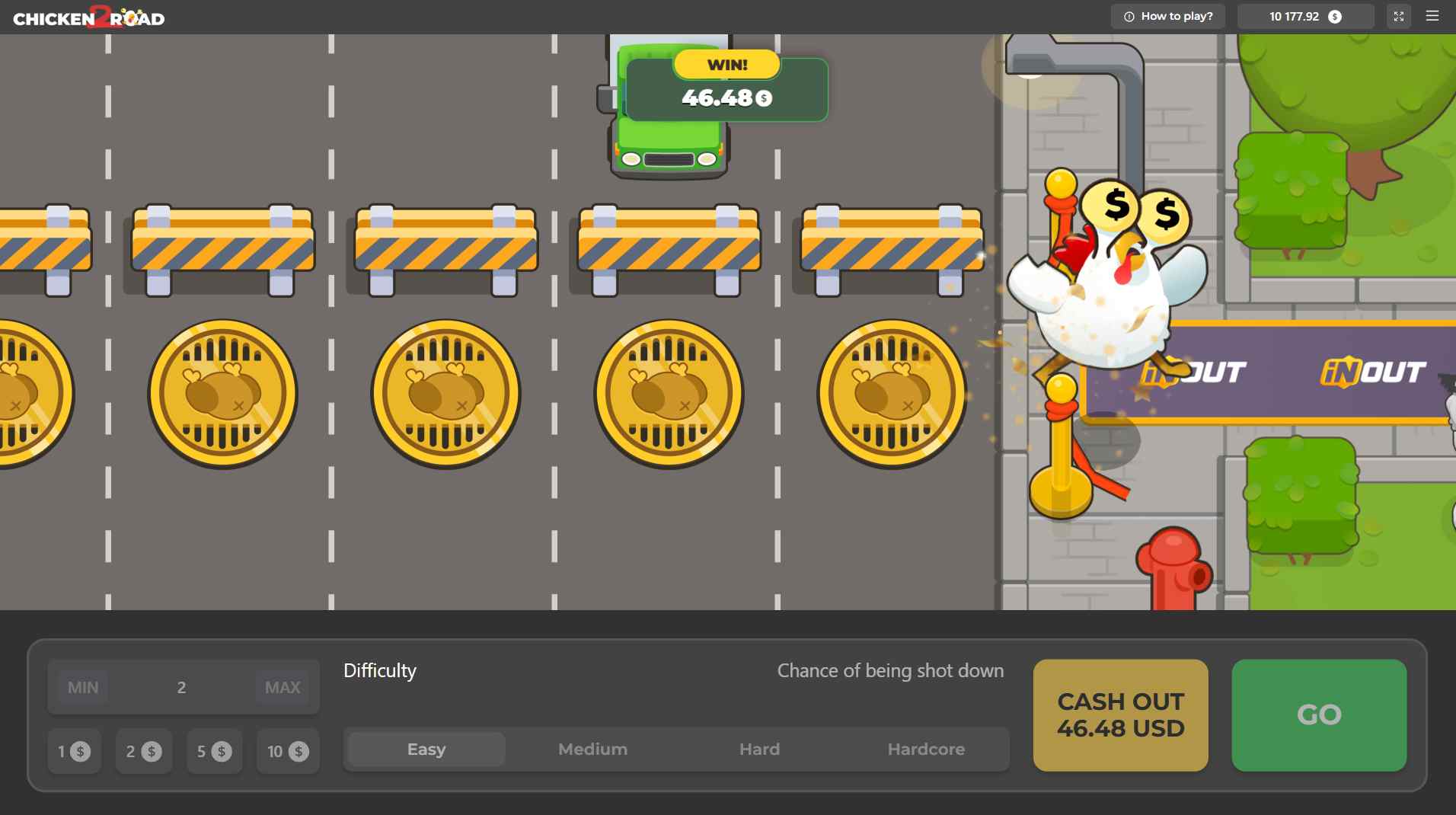
Low-value symbols comprise the standard 10 through Ace ranks, each granting between 0.1× and 0.5× the total stake for five-of-a-kind combinations. These symbols occur often enough to generate regular line hits that balance part https://www.capital.de/wirtschaft-politik/darum-zieht-es-loewen-entertainment-auf-den-online-gluecksspielmarkt-30696720.html of the variance created by rarer premiums. Since they pay on every adjacent-reel combination, even two or three matching low symbols can yield a fraction of the stake, smoothing the credit meter during long stretches without features.

Premium symbols depict different chicken characters, each with its own payout tier. The golden rooster leads the paytable at 12× for five symbols, while the speckled hen and brown rooster range between 5× and 8×. These values count because they determine the ceiling for base-game wins before any multiplier applies. When two premium symbols appear on the first two reels, the chance of completing a high-value line increases, momentarily decreasing effective variance for that spin sequence.
Chicken Road displays a calculated return to player (RTP) of 96.2 percent, a figure that sits slightly above the typical Austrian market average. RTP reflects the long-run percentage of wagers refunded across infinite spins, yet individual sessions can deviate sharply. Austrian players ought to treat the 96.2 percent as a reference benchmark rather than a promise for any given evening at an online casino.
Because the RTP is calculated across all bet levels, changing stake size does not alter the percentage itself. What does change is the absolute euro amount that variance can fluctuate. A player betting €0.20 per spin sees smaller euro swings than one staking €2.00, even though both confront the same 3.8 percent house edge over time. Confirming the exact RTP version on the operator’s information screen before beginning ensures the figure still corresponds to the published 96.2 percent.
The slot delivers an autoplay panel that enables players arrange between ten and one thousand spins with optional stop conditions. Austrian operators need to display loss limits and single-win caps before autoplay begins, providing users a final checkpoint. Establishing a loss limit equal to fifty percent of the allocated session bankroll avoids a single dry spell from exhausting funds before the free-spins round appears.
Quick-spin toggles decrease reel animation time by roughly half, allowing more spins per minute. Faster spins do not change RTP or volatility, but they compress variance into a shorter real-world timeframe. Players who enable quick spin should simultaneously reduce loss limits to maintain the same euro exposure per minute that they would accept under normal reel speed. Both settings are changeable at any moment, so adjustments may be made mid-session without restarting the game client.
Translating variance data into euro figures demands concrete examples that reflect real bankrolls present in the Austrian market. The scenarios below assume the published 96.2 percent RTP and high volatility rating remain constant across all stake levels. Each profile illustrates how session length, stake size, and loss limits work when variance behaves as published.
These examples demonstrate that reducing the stake lengthens the number of spins, increasing the statistical likelihood of achieving at least one free-spins round. On the other hand, higher stakes squeeze the same bankroll into fewer attempts, heightening the chance that variance produces a short, unrewarding session. Players can tweak any parameter while maintaining the overall exposure within personal comfort levels.
The scatter symbol is a wooden signpost bearing the number three. Landing three, four, or five scatters in any position on the grid grants eight, twelve, or twenty free spins respectively. Because scatters pay regardless of position, the trigger chance is unchanged across every spin, yet the probability remains low enough to preserve the high-volatility label. Four or five scatters occur roughly once every two hundred spins on average, matching the session-length guidance mentioned above.
Free spins run at the same stake employed for the trigger, so bankroll planning should factor in the additional spins. The feature may retrigger if three or more scatters land again, granting another eight spins without changing the bet. Retriggers are infrequent, but each one extends the high-variance window, giving multipliers more time to compound. Austrian players must remember that retrigger odds equal the initial trigger odds, so expectations should not shift during the bonus.
Chicken Road takes stakes from €0.10 to €50 per spin, a spread that caters to both careful players and high-limit enthusiasts within Austria’s regulated market. The interface shows total stake rather than separate line wagers, so players simply choose from preset amounts or type a custom value. Because the game uses ways instead of lines, modifying the stake adjusts every potential payout proportionally.
Selecting a stake should begin with the bankroll rule of thumb: allocate no more than one percent of total funds to a single spin. For a €500 session budget, that guideline restricts the bet at €5. Decreasing the stake further lengthens the number of spins, boosting the statistical likelihood of hitting the free-spins round within a single sitting. Conversely, players at ease with wider swings can raise the stake, accepting that the same budget will support fewer attempts at the bonus features.
Numerous Austrian players come to Chicken Road bringing assumptions that skew their expectations and bankroll decisions. The most common misconception equates high volatility with “unfair” outcomes, when in fact the published RTP remains identical to lower-volatility titles. A further error includes raising stakes after a dry spell under the false assumption that variance guarantees a payout; each spin continues independent regardless of prior results.
A third misconception views the 5,000× win cap like a realistic target as opposed to a theoretical ceiling. Even though the cap is reachable under perfect multiplier and symbol alignment, the probability stays low enough to preserve the high-volatility label. Identifying these misconceptions allows players to define expectations that correspond to the game’s published parameters instead of emotional responses to short-term variance.
Chicken Road’s combination of 243 fixed ways, high volatility, and a progressive multiplier in free spins produces a clear profile: steady small base-game returns punctuated by infrequent but sizable bonus outcomes. Austrian players who adjust stake size, session length, and loss limits according to that profile provide themselves the best chance to experience the slot’s full range of results free from unnecessary risk. Verifying the current RTP version and setting responsible limits prior to the first spin transforms variance knowledge to practical bankroll control.